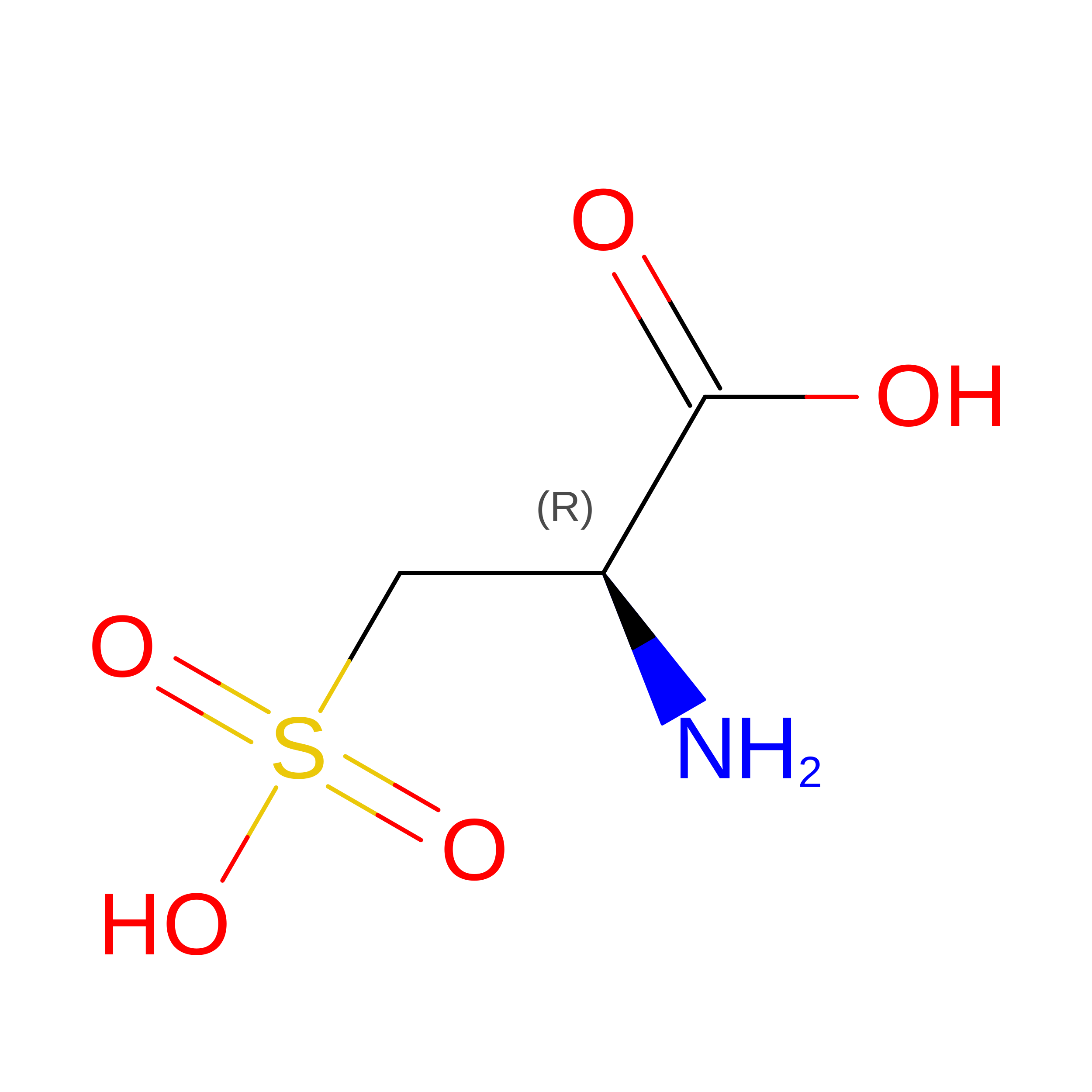
1E6Y | pdb_00001e6y

Methyl-coenzyme M reductase from Methanosarcina barkeri


Experimental Data Snapshot

  • Method: X-RAY DIFFRACTION
  • Resolution: 1.60 Å
  • R-Value Free: 
    0.179 (Depositor) 
  • R-Value Work: 
    0.160 (Depositor), 0.167 (DCC) 
  • R-Value Observed: 
    0.160 (Depositor) 

Starting Model: experimental
View more details

wwPDB Validation 3D Report Full Report

Validation slider image for 1E6Y

Ligand Structure Quality Assessment 


This is version 1.8 of the entry. See complete history

Literature

Comparison of Three Methyl-Coenzyme M Reductases from Phylogenetically Distant Organisms: Unusual Amino Acid Modification, Conservation and Adaptation

Grabarse, W.Mahlert, F.Shima, S.Thauer, R.K.Ermler, U.

(2000) J Mol Biology 303: 329

  • DOI: https://doi.org/10.1006/jmbi.2000.4136
  • Primary Citation Related Structures: 
    1E6V, 1E6Y

  • PubMed Abstract: 

    The nickel enzyme methyl-coenzyme M reductase (MCR) catalyzes the terminal step of methane formation in the energy metabolism of all methanogenic archaea. In this reaction methyl-coenzyme M and coenzyme B are converted to methane and the heterodisulfide of coenzyme M and coenzyme B. The crystal structures of methyl-coenzyme M reductase from Methanosarcina barkeri (growth temperature optimum, 37 degrees C) and Methanopyrus kandleri (growth temperature optimum, 98 degrees C) were determined and compared with the known structure of MCR from Methanobacterium thermoautotrophicum (growth temperature optimum, 65 degrees C). The active sites of MCR from M. barkeri and M. kandleri were almost identical to that of M. thermoautotrophicum and predominantly occupied by coenzyme M and coenzyme B. The electron density at 1.6 A resolution of the M. barkeri enzyme revealed that four of the five modified amino acid residues of MCR from M. thermoautotrophicum, namely a thiopeptide, an S-methylcysteine, a 1-N-methylhistidine and a 5-methylarginine were also present. Analysis of the environment of the unusual amino acid residues near the active site indicates that some of the modifications may be required for the enzyme to be catalytically effective. In M. thermoautotrophicum and M. kandleri high temperature adaptation is coupled with increasing intracellular concentrations of lyotropic salts. This was reflected in a higher fraction of glutamate residues at the protein surface of the thermophilic enzymes adapted to high intracellular salt concentrations.


  • Organizational Affiliation
    • Max-Planck-Institut für Biophysik, Heinrich-Hoffmann-Strasse 7, 60528 Frankfurt, Germany.

Macromolecule Content 

  • Total Structure Weight: 273.16 kDa 
  • Atom Count: 21,340 
  • Modeled Residue Count: 2,495 
  • Deposited Residue Count: 2,498 
  • Unique protein chains: 3

Macromolecules

Find similar proteins by:|  3D Structure
Entity ID: 1
MoleculeChains  Sequence LengthOrganismDetailsImage
METHYL-COENZYME M REDUCTASE SUBUNIT ALPHA
A, D
569Methanosarcina barkeriMutation(s): 0 
EC: 2.8.4.1
UniProt
Find proteins for P07962 (Methanosarcina barkeri (strain Fusaro / DSM 804))
Explore P07962 
Go to UniProtKB:  P07962
Entity Groups
Sequence Clusters30% Identity50% Identity70% Identity90% Identity95% Identity100% Identity
UniProt GroupP07962
Sequence Annotations
Expand
Reference Sequence
Find similar proteins by:|  3D Structure
Entity ID: 2
MoleculeChains  Sequence LengthOrganismDetailsImage
METHYL-COENZYME M REDUCTASE I BETA SUBUNIT
B, E
433Methanosarcina barkeriMutation(s): 0 
EC: 2.8.4.1
UniProt
Find proteins for P07955 (Methanosarcina barkeri (strain Fusaro / DSM 804))
Explore P07955 
Go to UniProtKB:  P07955
Entity Groups
Sequence Clusters30% Identity50% Identity70% Identity90% Identity95% Identity100% Identity
UniProt GroupP07955
Sequence Annotations
Expand
Reference Sequence
Find similar proteins by:|  3D Structure
Entity ID: 3
MoleculeChains  Sequence LengthOrganismDetailsImage
METHYL-COENZYME M REDUCTASE SUBUNIT GAMMA
C, F
247Methanosarcina barkeriMutation(s): 0 
EC: 2.8.4.1
UniProt
Find proteins for P07964 (Methanosarcina barkeri (strain Fusaro / DSM 804))
Explore P07964 
Go to UniProtKB:  P07964
Entity Groups
Sequence Clusters30% Identity50% Identity70% Identity90% Identity95% Identity100% Identity
UniProt GroupP07964
Sequence Annotations
Expand
Reference Sequence

Small Molecules

Ligands 4 Unique
IDChains Name / Formula / InChI Key2D Diagram3D Interactions
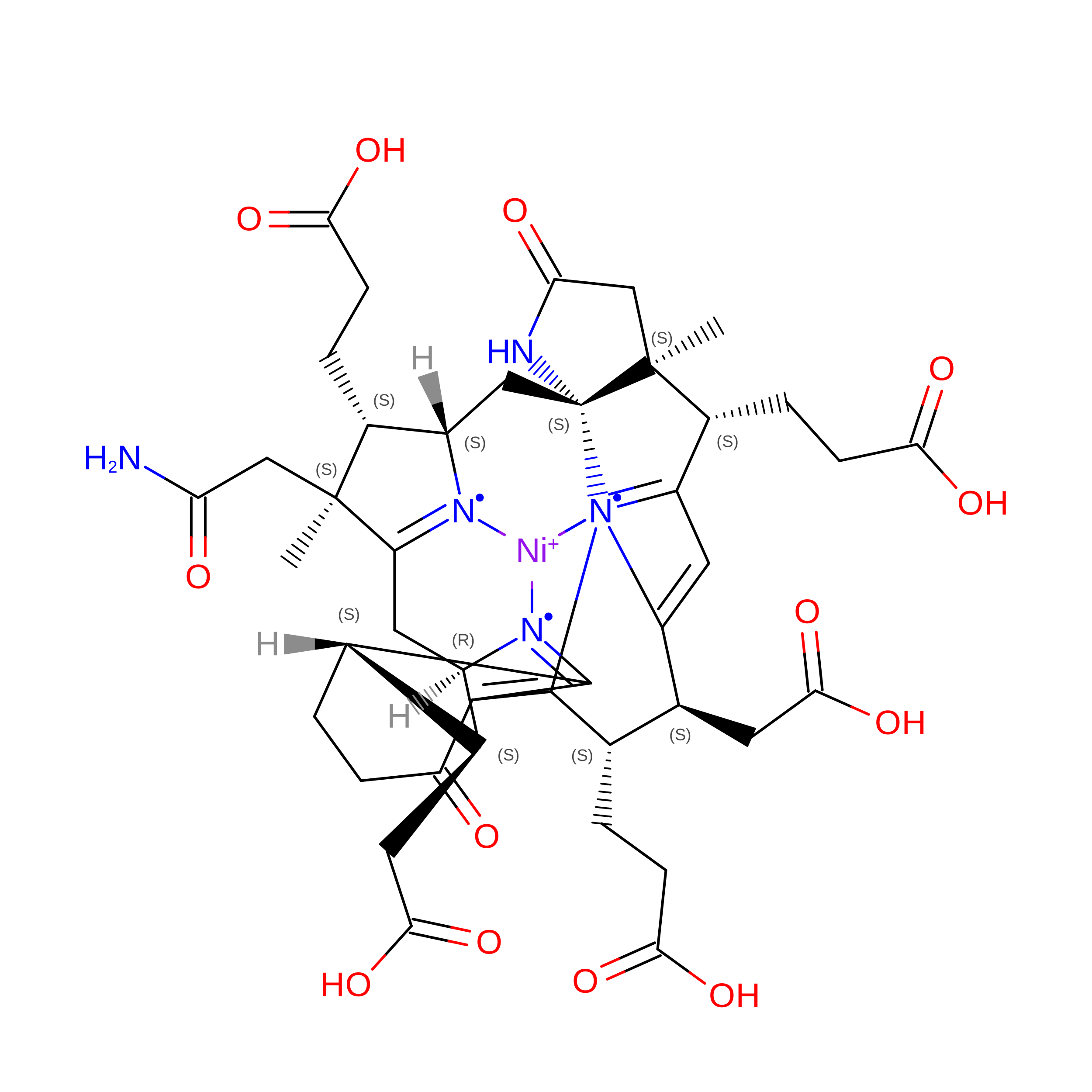
F43

Query on F43


Download:Ideal Coordinates CCD File
G [auth A],
L [auth D]
FACTOR 430
C42 H51 N6 Ni O13
XLFIRMYGVLUNOY-SXMZNAGASA-M
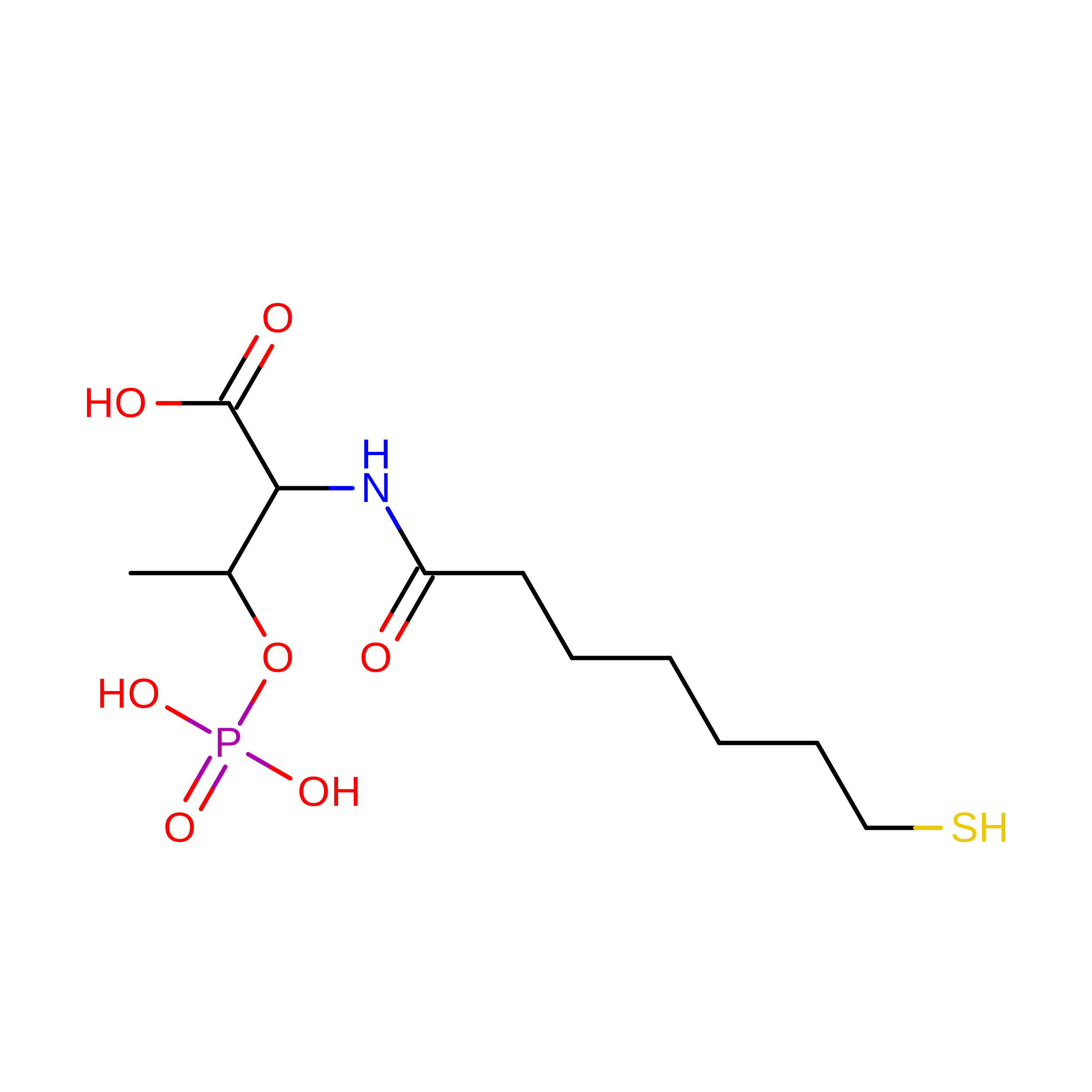
TP7

Query on TP7


Download:Ideal Coordinates CCD File
H [auth A],
M [auth D]
Coenzyme B
C11 H22 N O7 P S
JBJSVEVEEGOEBZ-SCZZXKLOSA-N
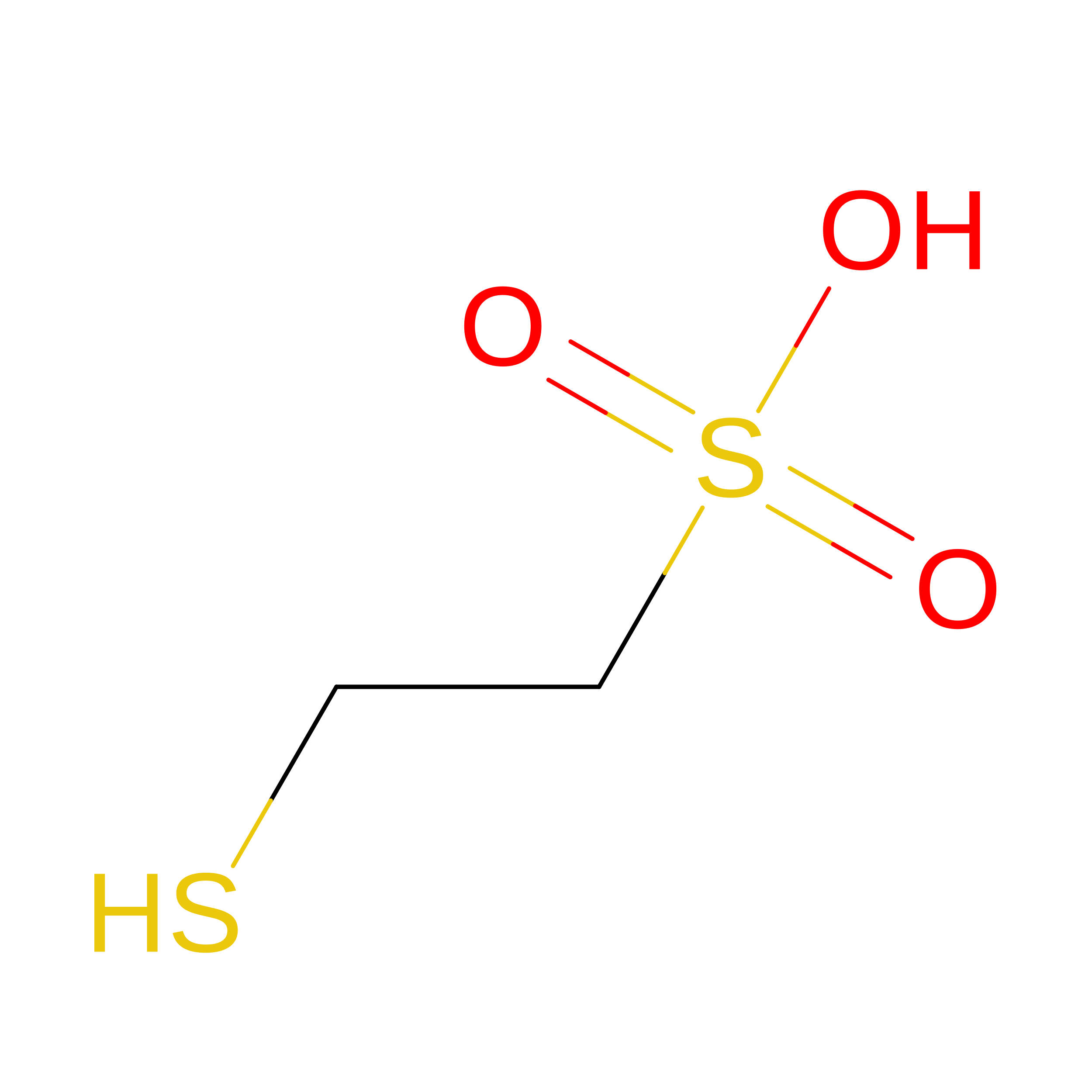
COM

Query on COM


Download:Ideal Coordinates CCD File
I [auth A],
N [auth D]
1-THIOETHANESULFONIC ACID
C2 H6 O3 S2
ZNEWHQLOPFWXOF-UHFFFAOYSA-N
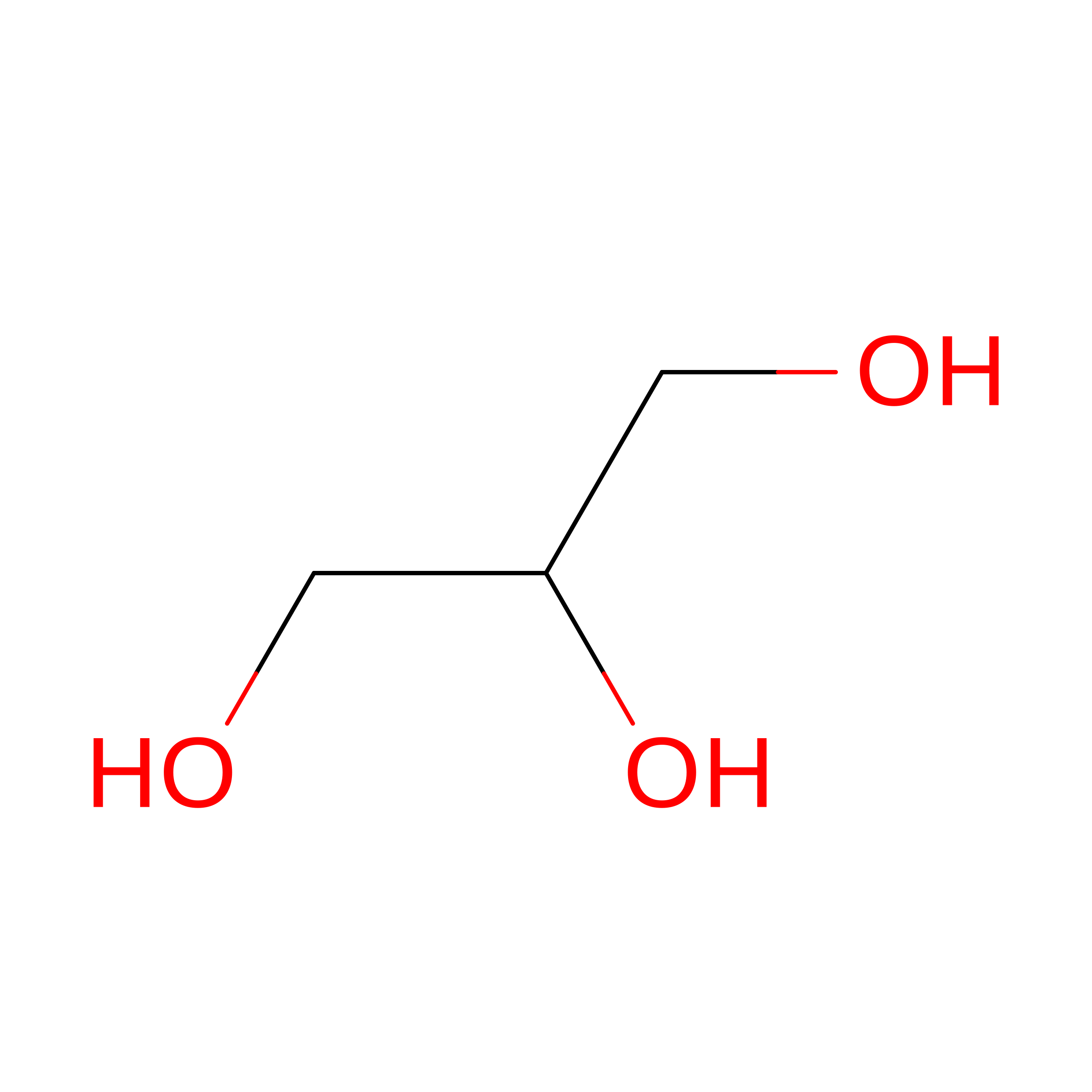
GOL

Query on GOL


Download:Ideal Coordinates CCD File
J [auth A],
K [auth A],
O [auth D]
GLYCEROL
C3 H8 O3
PEDCQBHIVMGVHV-UHFFFAOYSA-N
Modified Residues  5 Unique
IDChains TypeFormula2D DiagramParent
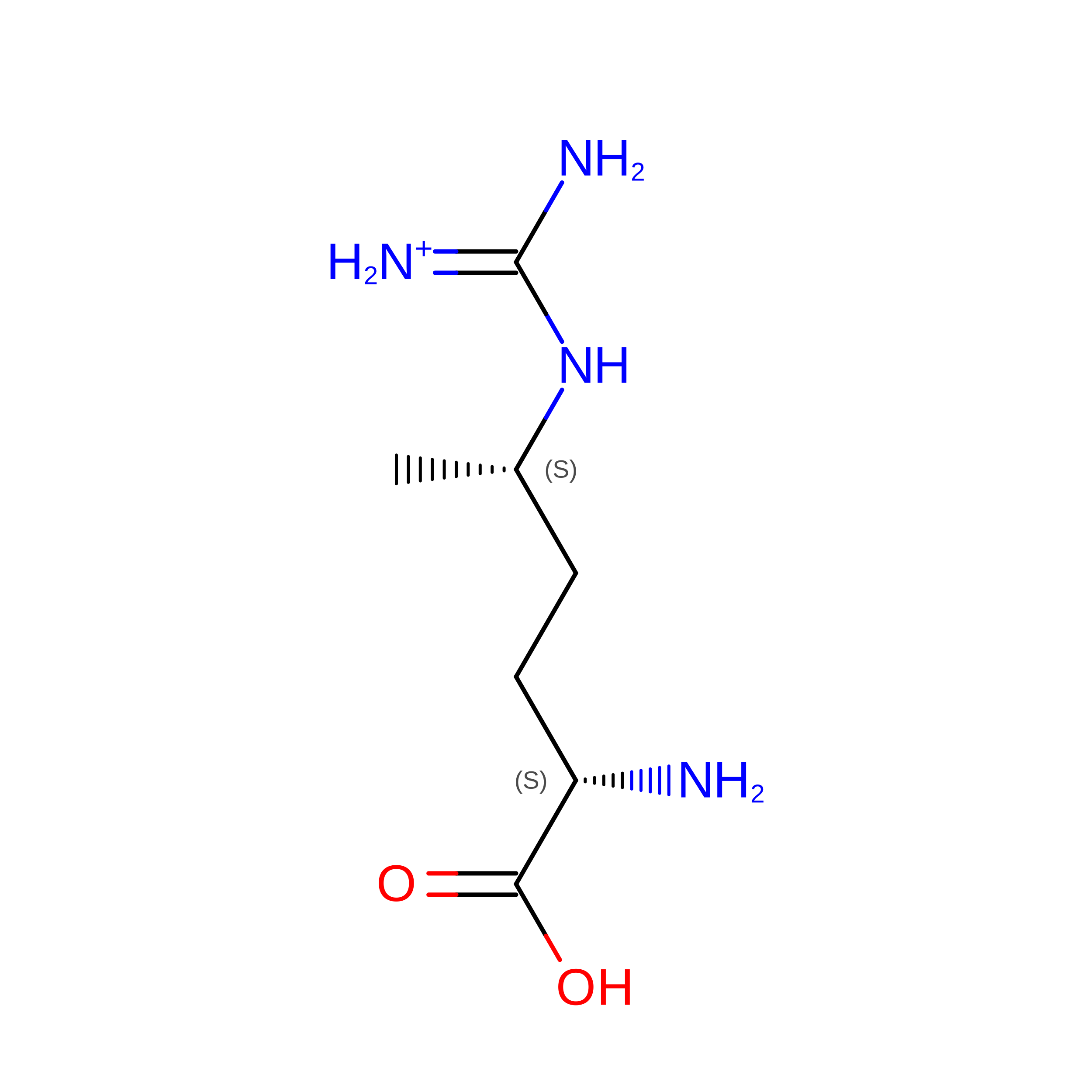
AGM
Query on AGM
A, D
L-PEPTIDE LINKINGC7 H17 N4 O2ARG
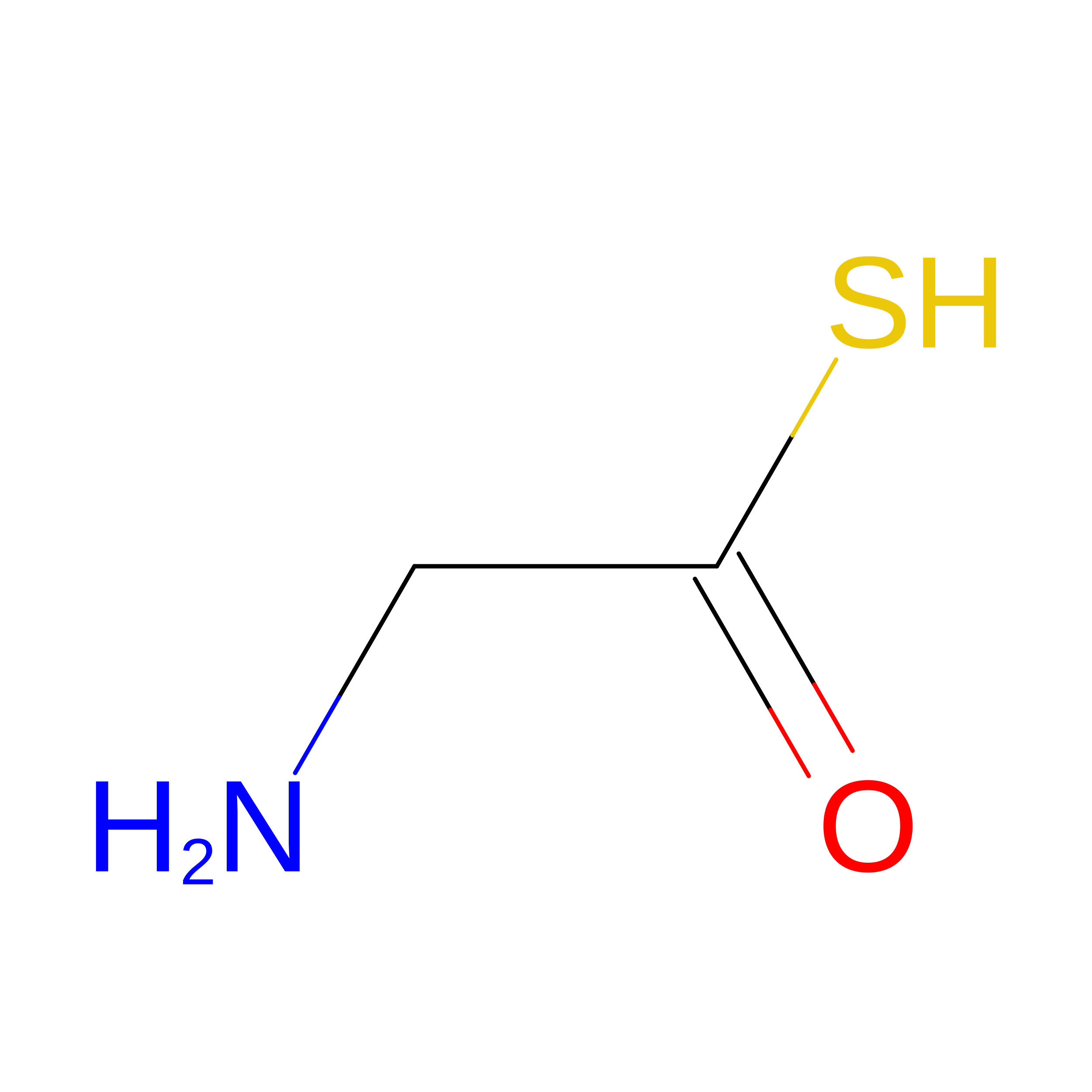
GL3
Query on GL3
A, D
L-PEPTIDE LINKINGC2 H5 N O SGLY
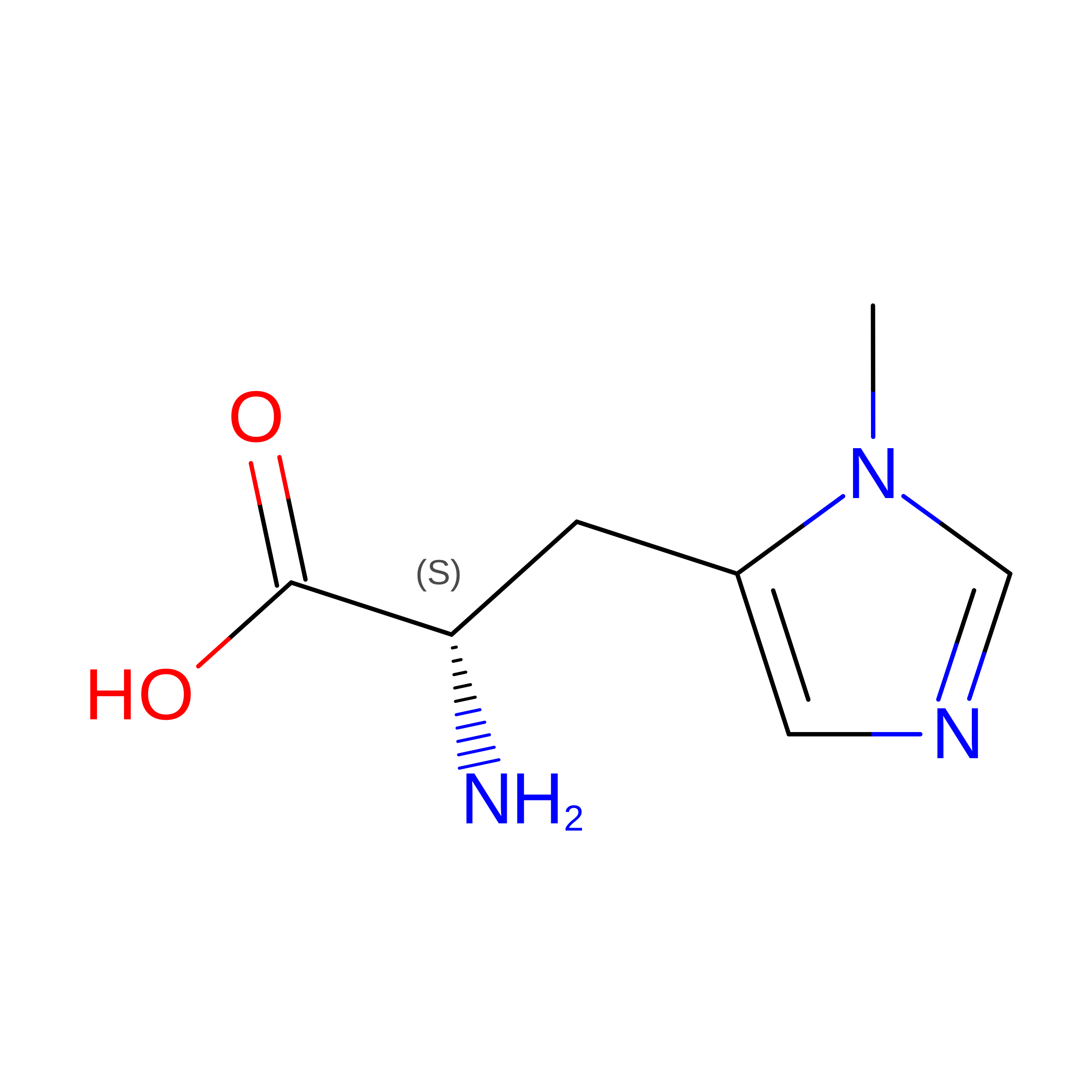
MHS
Query on MHS
A, D
L-PEPTIDE LINKINGC7 H11 N3 O2HIS
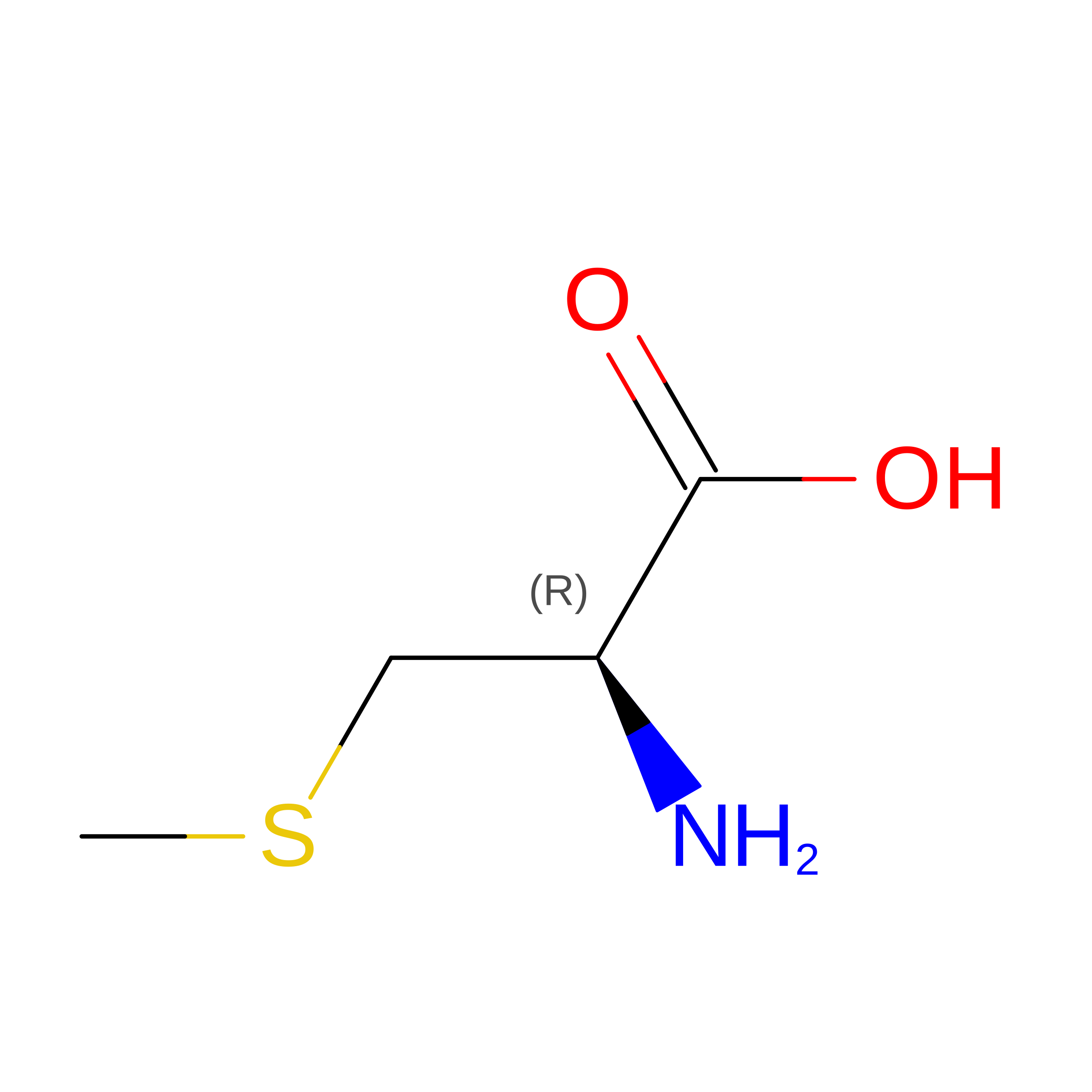
SMC
Query on SMC
A, D
L-PEPTIDE LINKINGC4 H9 N O2 SCYS
OCS
Query on OCS
C, F
L-PEPTIDE LINKINGC3 H7 N O5 SCYS

Experimental Data & Validation

Experimental Data

  • Method: X-RAY DIFFRACTION
  • Resolution: 1.60 Å
  • R-Value Free:  0.179 (Depositor) 
  • R-Value Work:  0.160 (Depositor), 0.167 (DCC) 
  • R-Value Observed: 0.160 (Depositor) 
Space Group: P 21 21 21
Unit Cell:
Length ( Å )Angle ( ˚ )
a = 113.678α = 90
b = 153.099β = 90
c = 153.288γ = 90
Software Package:
Software NamePurpose
CNSrefinement
DENZOdata reduction
SCALEPACKdata scaling
CNSphasing

Structure Validation

View Full Validation Report


Ligand Structure Quality Assessment 


Entry History 

Deposition Data

Revision History  (Full details and data files)

  • Version 1.0: 2000-10-18
    Type: Initial release
  • Version 1.1: 2011-11-16
    Changes: Atomic model, Data collection, Database references, Derived calculations, Non-polymer description, Other, Refinement description, Source and taxonomy, Structure summary, Version format compliance
  • Version 1.2: 2015-05-20
    Changes: Non-polymer description
  • Version 1.3: 2017-03-29
    Changes: Advisory, Non-polymer description
  • Version 1.4: 2018-10-17
    Changes: Data collection, Derived calculations
  • Version 1.5: 2019-07-10
    Changes: Data collection, Derived calculations
  • Version 1.6: 2019-07-24
    Changes: Data collection
  • Version 1.7: 2022-05-04
    Changes: Database references, Derived calculations, Other
  • Version 1.8: 2023-12-13
    Changes: Data collection, Refinement description