3VFJ | pdb_00003vfj

The structure of monodechloro-teicoplanin in complex with its ligand, using MBP as a ligand carrier


Experimental Data Snapshot

  • Method: X-RAY DIFFRACTION
  • Resolution: 2.05 Å
  • R-Value Free: 
    0.231 (Depositor), 0.225 (DCC) 
  • R-Value Work: 
    0.188 (Depositor), 0.186 (DCC) 
  • R-Value Observed: 
    0.190 (Depositor) 

wwPDB Validation 3D Report Full Report

Validation slider image for 3VFJ

Ligand Structure Quality Assessment 


This is version 2.1 of the entry. See complete history

Literature

Structure of the complex between teicoplanin and a bacterial cell-wall peptide: use of a carrier-protein approach.

Economou, N.J.Zentner, I.J.Lazo, E.Jakoncic, J.Stojanoff, V.Weeks, S.D.Grasty, K.C.Cocklin, S.Loll, P.J.

(2013) Acta Crystallogr D Biol Crystallogr 69: 520-533

  • DOI: https://doi.org/10.1107/S0907444912050469
  • Primary Citation Related Structures: 
    3VFJ, 3VFK

  • PubMed Abstract: 

    Multidrug-resistant bacterial infections are commonly treated with glycopeptide antibiotics such as teicoplanin. This drug inhibits bacterial cell-wall biosynthesis by binding and sequestering a cell-wall precursor: a D-alanine-containing peptide. A carrier-protein strategy was used to crystallize the complex of teicoplanin and its target peptide by fusing the cell-wall peptide to either MBP or ubiquitin via native chemical ligation and subsequently crystallizing the protein-peptide-antibiotic complex. The 2.05 Å resolution MBP-peptide-teicoplanin structure shows that teicoplanin recognizes its ligand through a combination of five hydrogen bonds and multiple van der Waals interactions. Comparison of this teicoplanin structure with that of unliganded teicoplanin reveals a flexibility in the antibiotic peptide backbone that has significant implications for ligand recognition. Diffraction experiments revealed an X-ray-induced dechlorination of the sixth amino acid of the antibiotic; it is shown that teicoplanin is significantly more radiation-sensitive than other similar antibiotics and that ligand binding increases radiosensitivity. Insights derived from this new teicoplanin structure may contribute to the development of next-generation antibacterials designed to overcome bacterial resistance.


  • Organizational Affiliation
    • Department of Biochemistry and Molecular Biology, Drexel University College of Medicine, Philadelphia, PA 19102, USA.

Macromolecule Content 

  • Total Structure Weight: 44.18 kDa 
  • Atom Count: 3,222 
  • Modeled Residue Count: 384 
  • Deposited Residue Count: 385 
  • Unique protein chains: 2

Macromolecules

Find similar proteins by:|  3D Structure
Entity ID: 1
MoleculeChains  Sequence LengthOrganismDetailsImage
Maltose-binding periplasmic protein, C-terminal fused by Cys-Lys-D-Ala-D-Ala378Escherichia coli K-12Mutation(s): 0 
Gene Names: malEb4034JW3994
UniProt
Find proteins for P0AEX9 (Escherichia coli (strain K12))
Explore P0AEX9 
Go to UniProtKB:  P0AEX9
Entity Groups
Sequence Clusters30% Identity50% Identity70% Identity90% Identity95% Identity100% Identity
UniProt GroupP0AEX9
Sequence Annotations
Expand
Reference Sequence
Find similar proteins by:  Sequence   |   3D Structure  
Entity ID: 2
MoleculeChains  Sequence LengthOrganismDetailsImage
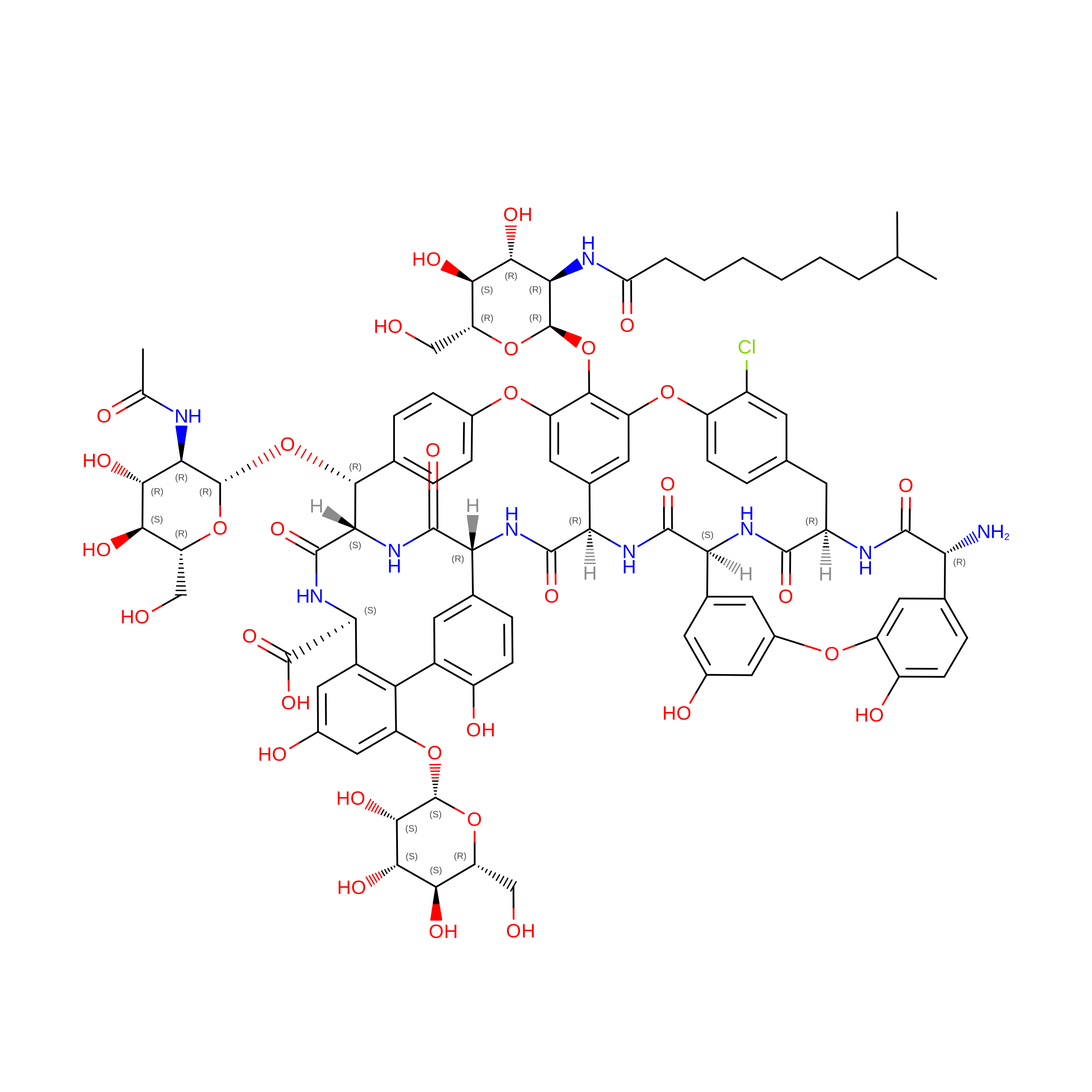
MonodeChloro- Teicoplanin A2-2B [auth G]7Actinoplanes teichomyceticusMutation(s): 0 

Small Molecules

Ligands 7 Unique
IDChains Name / Formula / InChI Key2D Diagram3D Interactions
NAG

Query on NAG


Download:Ideal Coordinates CCD File
P [auth G]2-acetamido-2-deoxy-beta-D-glucopyranose
C8 H15 N O6
OVRNDRQMDRJTHS-FMDGEEDCSA-N
MAN

Query on MAN


Download:Ideal Coordinates CCD File
Q [auth G]alpha-D-mannopyranose
C6 H12 O6
WQZGKKKJIJFFOK-PQMKYFCFSA-N
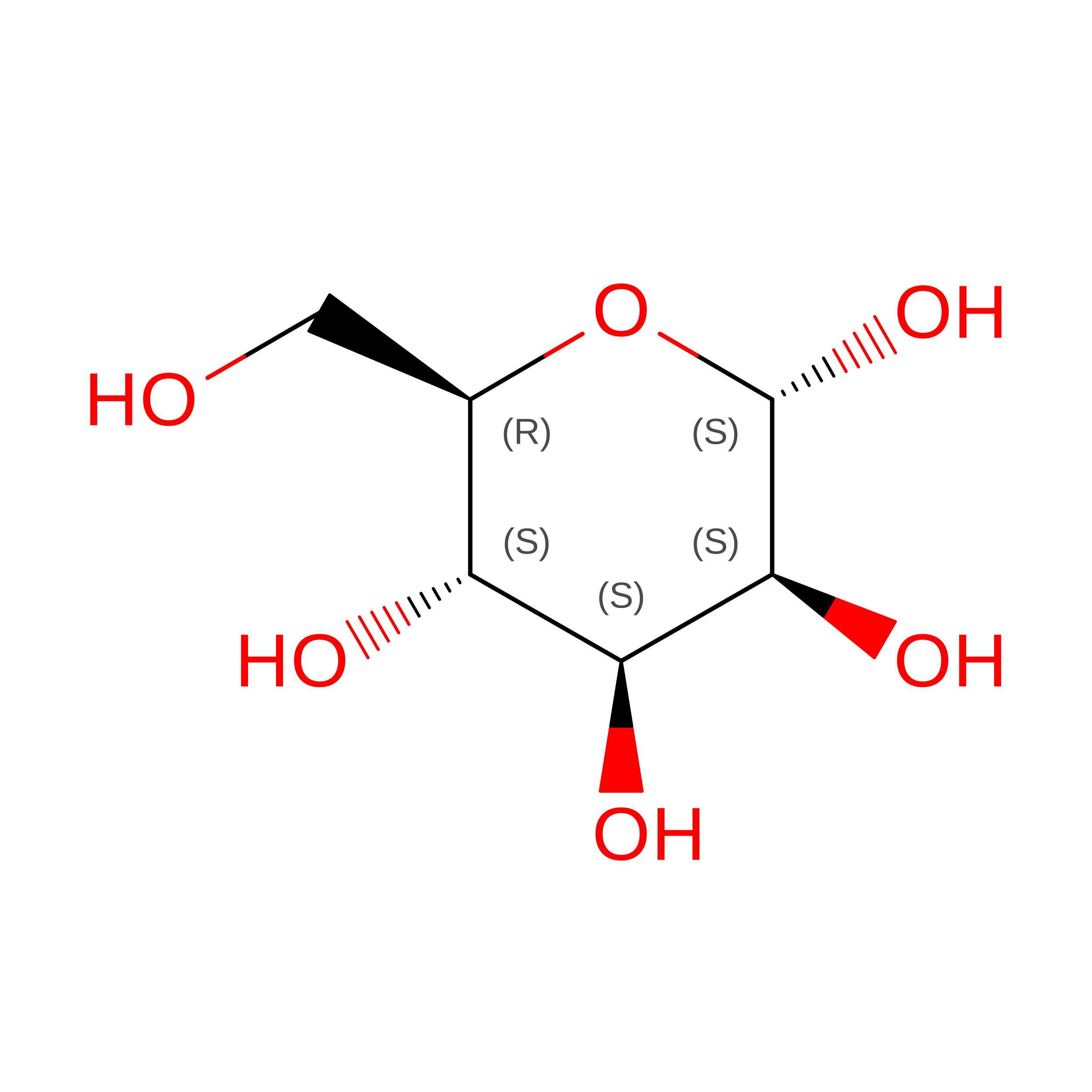
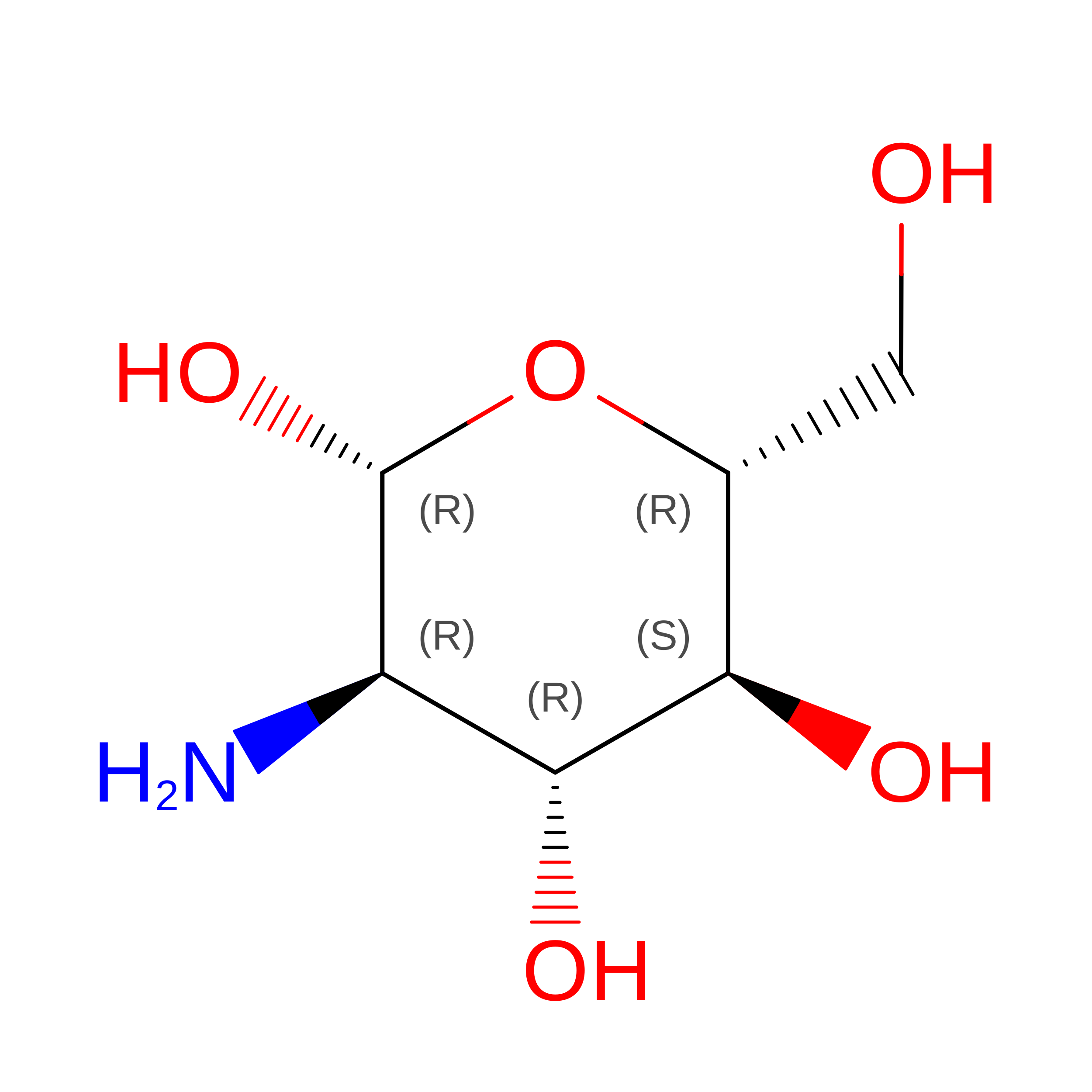
GCS

Query on GCS


Download:Ideal Coordinates CCD File
N [auth G]2-amino-2-deoxy-beta-D-glucopyranose
C6 H13 N O5
MSWZFWKMSRAUBD-QZABAPFNSA-N
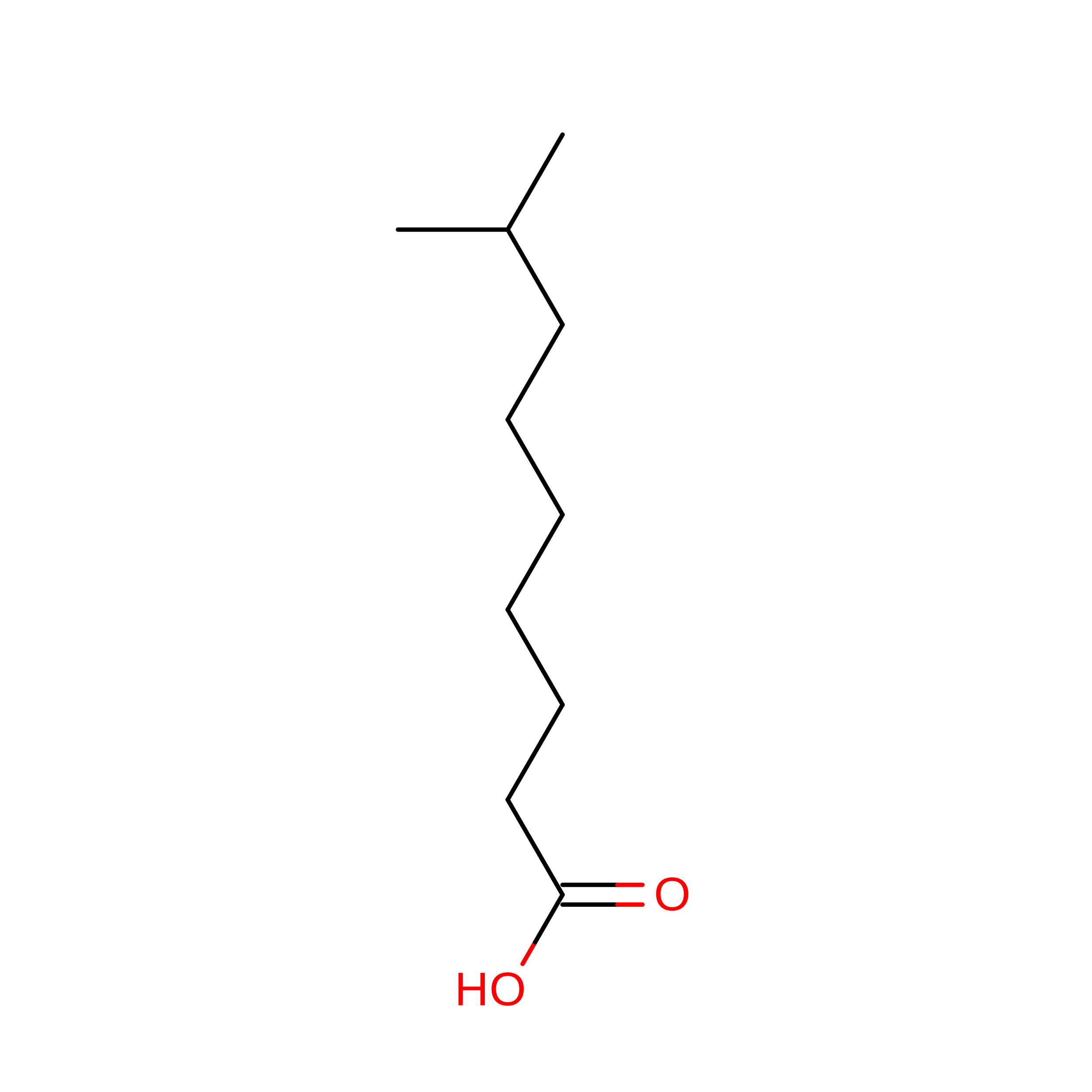
T55

Query on T55


Download:Ideal Coordinates CCD File
O [auth G]8-METHYLNONANOIC ACID
C10 H20 O2
OAOABCKPVCUNKO-UHFFFAOYSA-N
CAC

Query on CAC


Download:Ideal Coordinates CCD File
M [auth A],
R [auth G]
CACODYLATE ION
C2 H6 As O2
OGGXGZAMXPVRFZ-UHFFFAOYSA-M
ZN

Query on ZN


Download:Ideal Coordinates CCD File
C [auth A]
D [auth A]
E [auth A]
F [auth A]
G [auth A]
C [auth A],
D [auth A],
E [auth A],
F [auth A],
G [auth A],
H [auth A],
I [auth A],
J [auth A]
ZINC ION
Zn
PTFCDOFLOPIGGS-UHFFFAOYSA-N
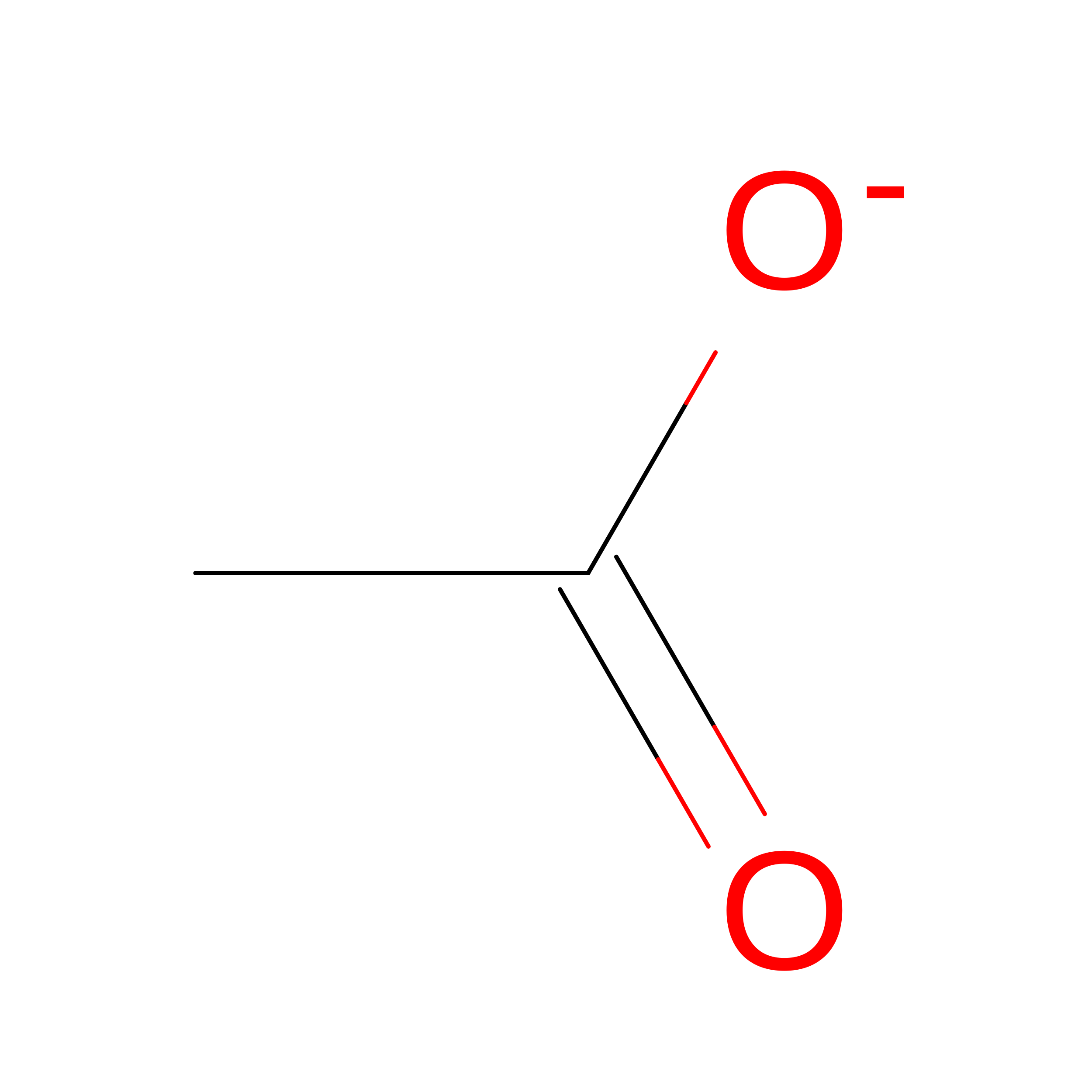
ACT

Query on ACT


Download:Ideal Coordinates CCD File
K [auth A],
L [auth A]
ACETATE ION
C2 H3 O2
QTBSBXVTEAMEQO-UHFFFAOYSA-M
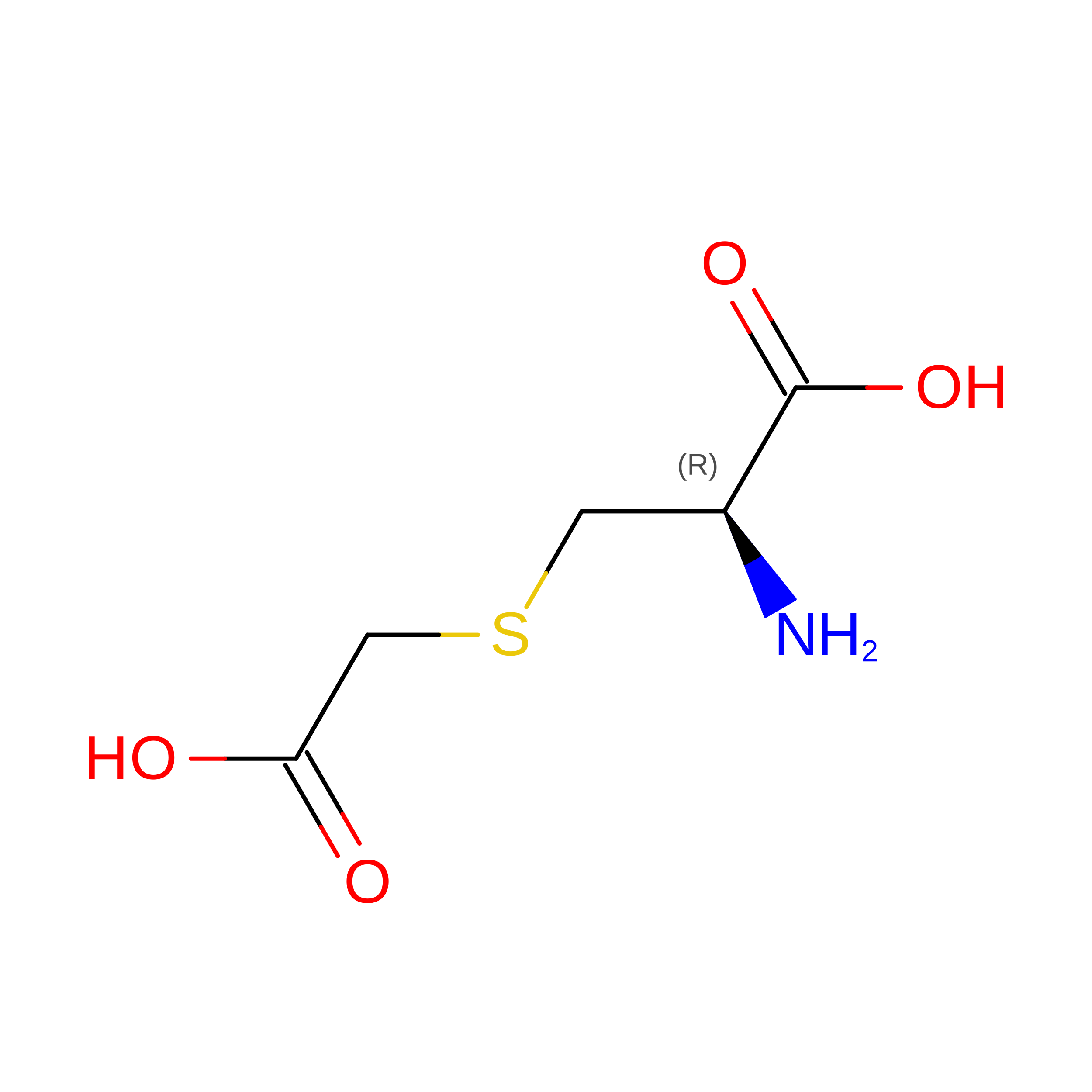
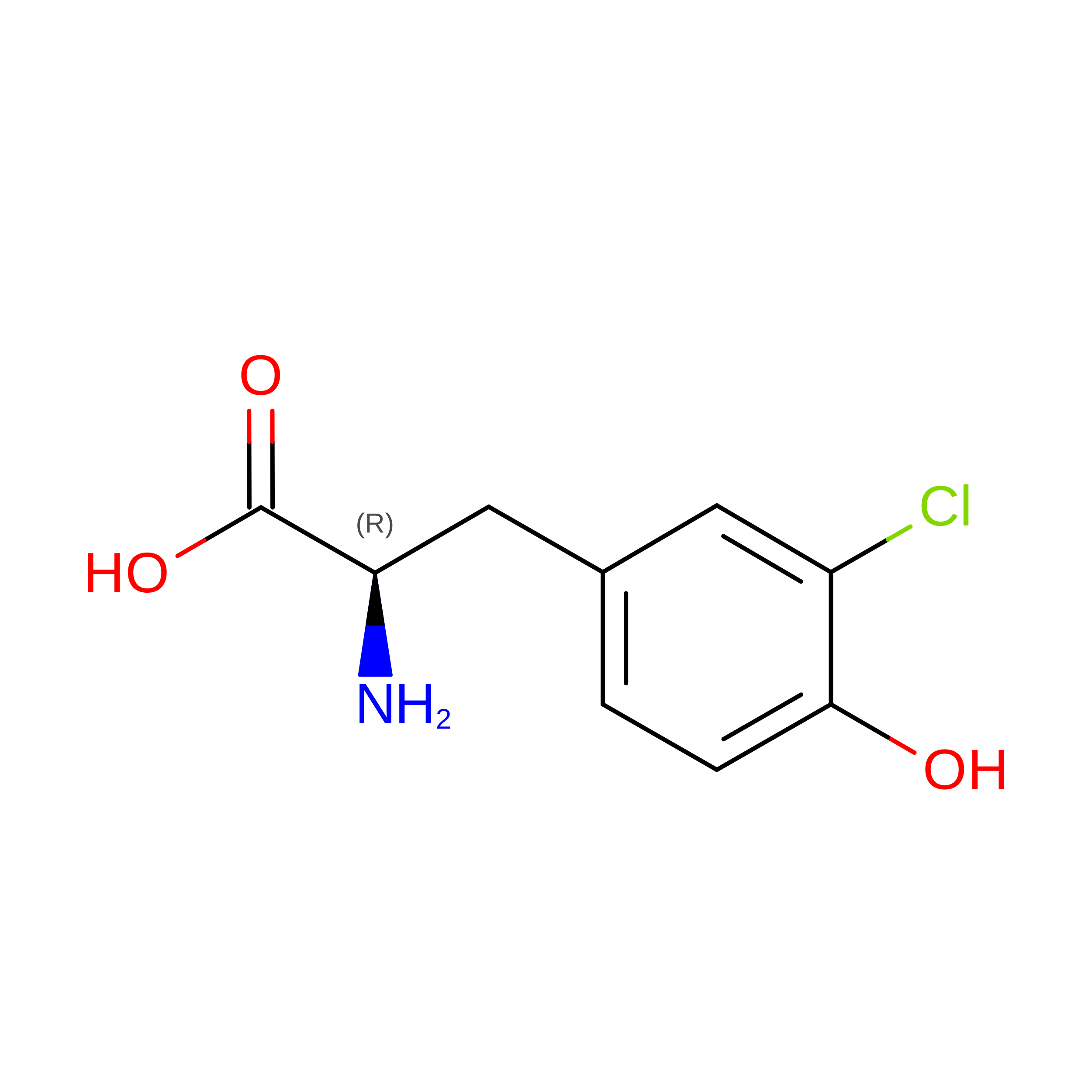
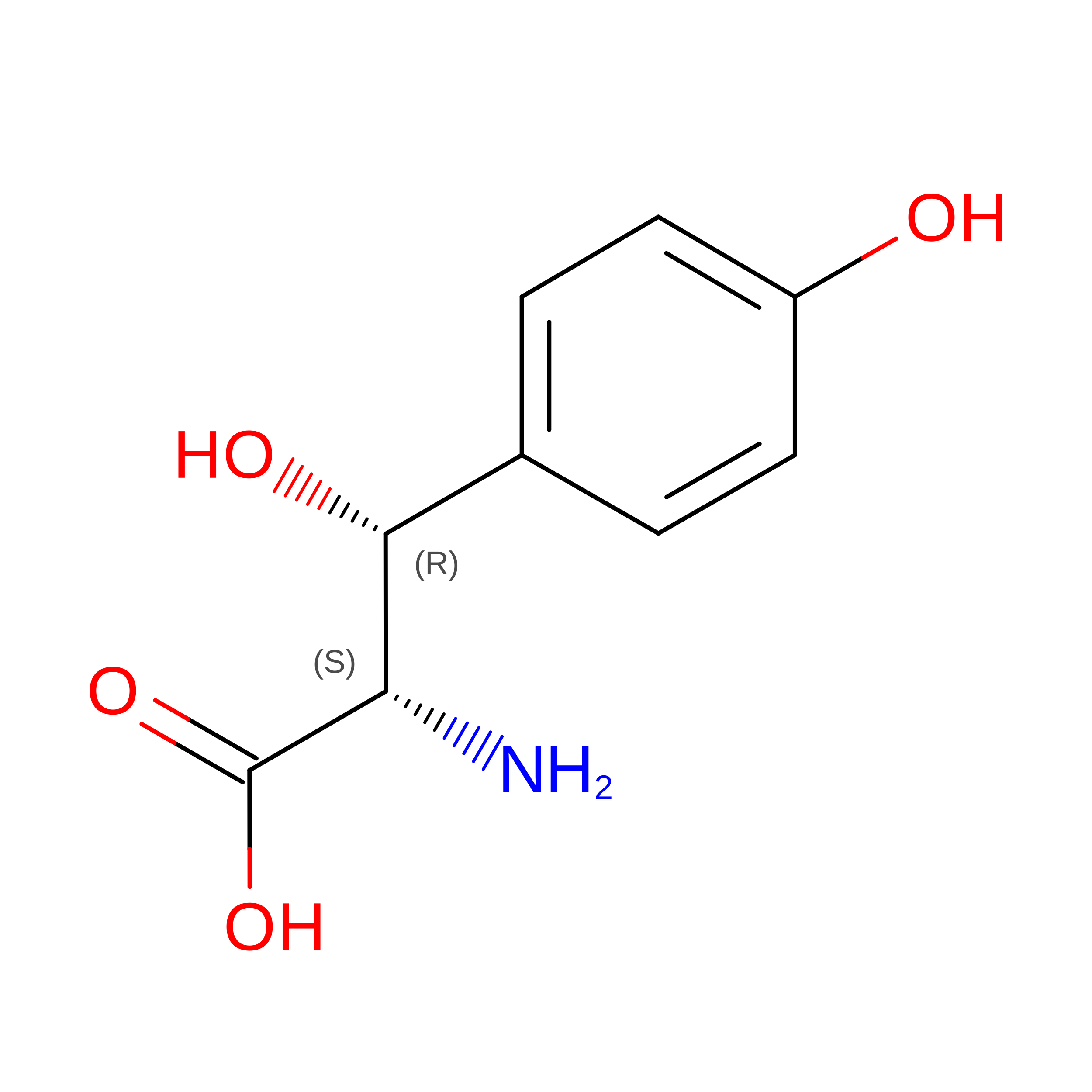
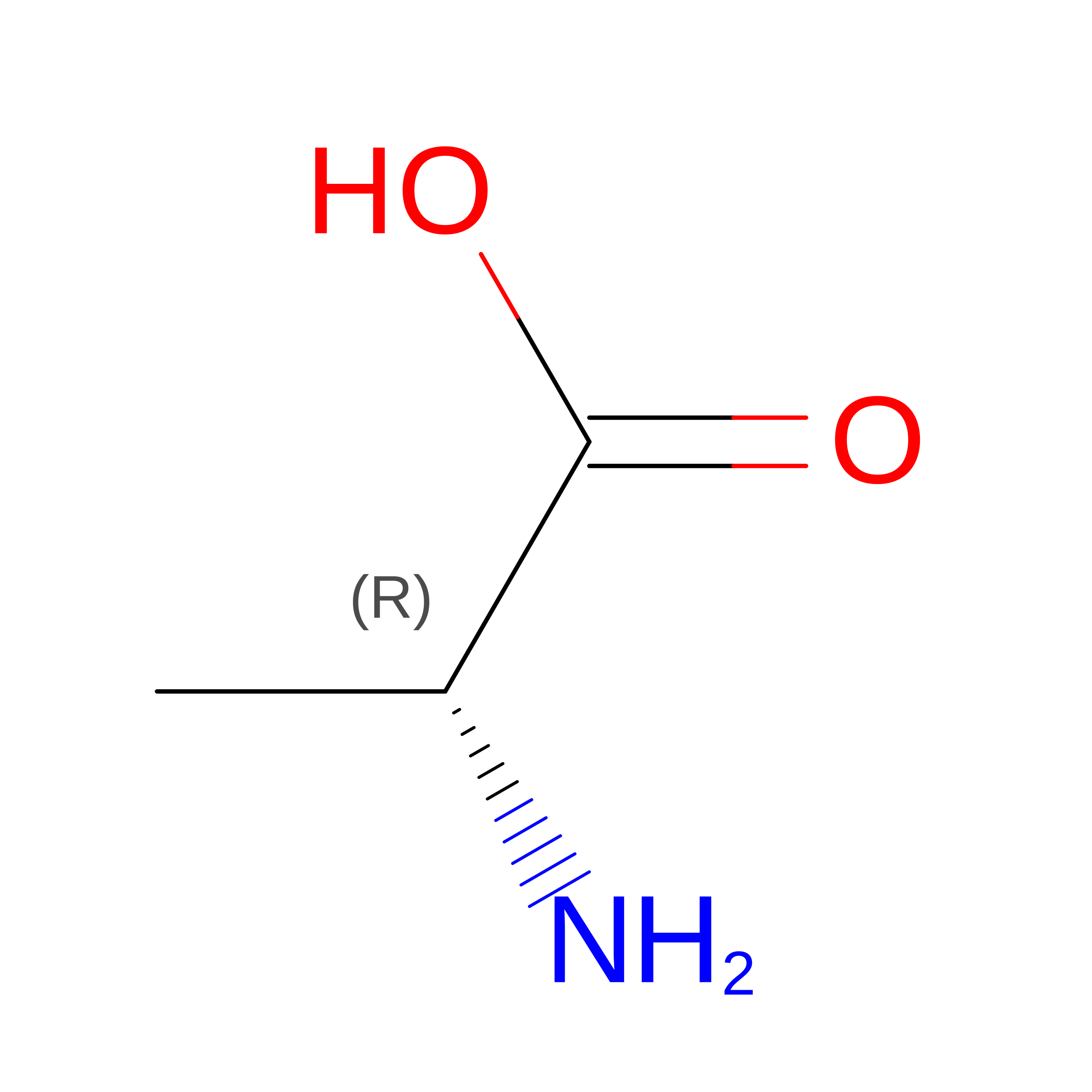
Modified Residues  3 Unique
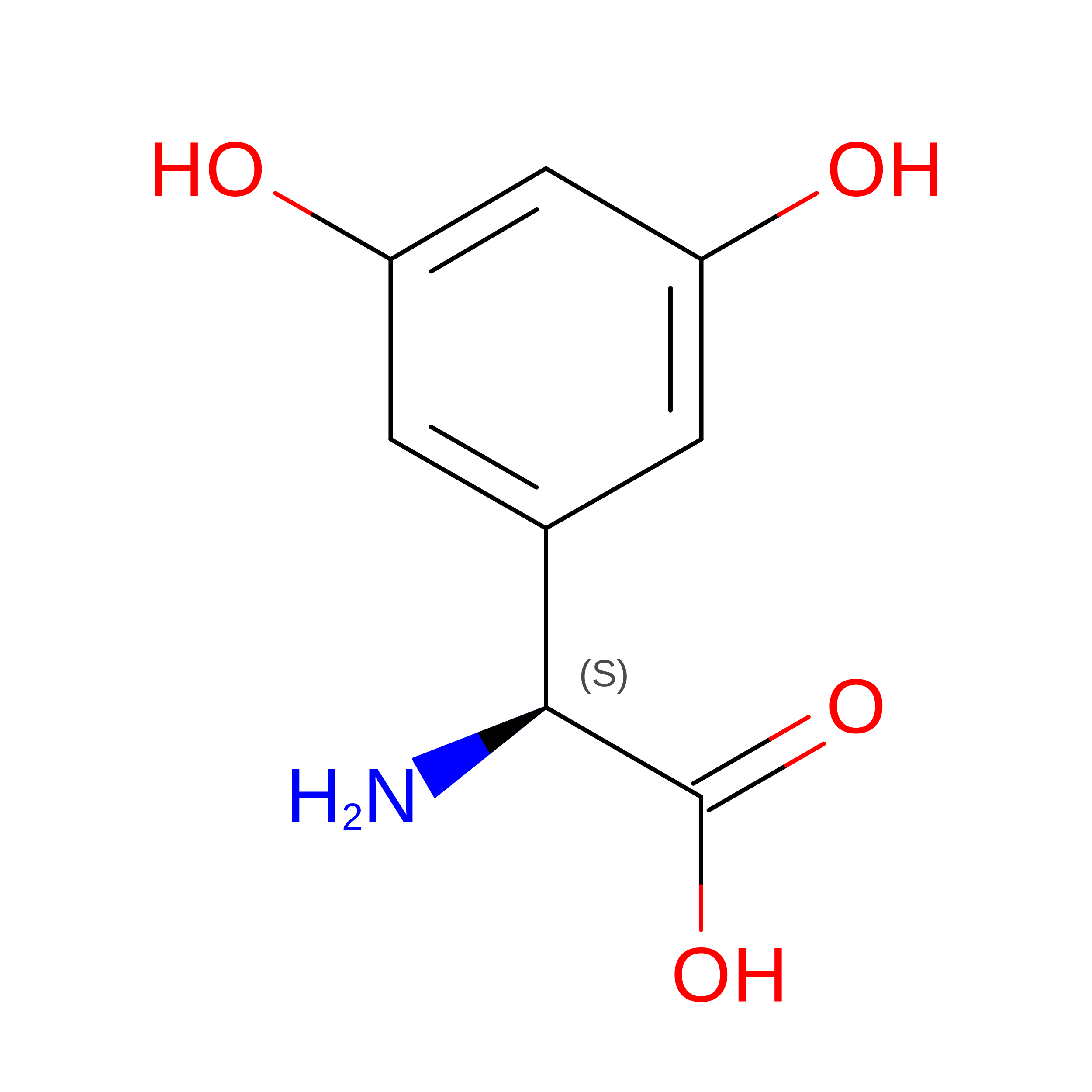
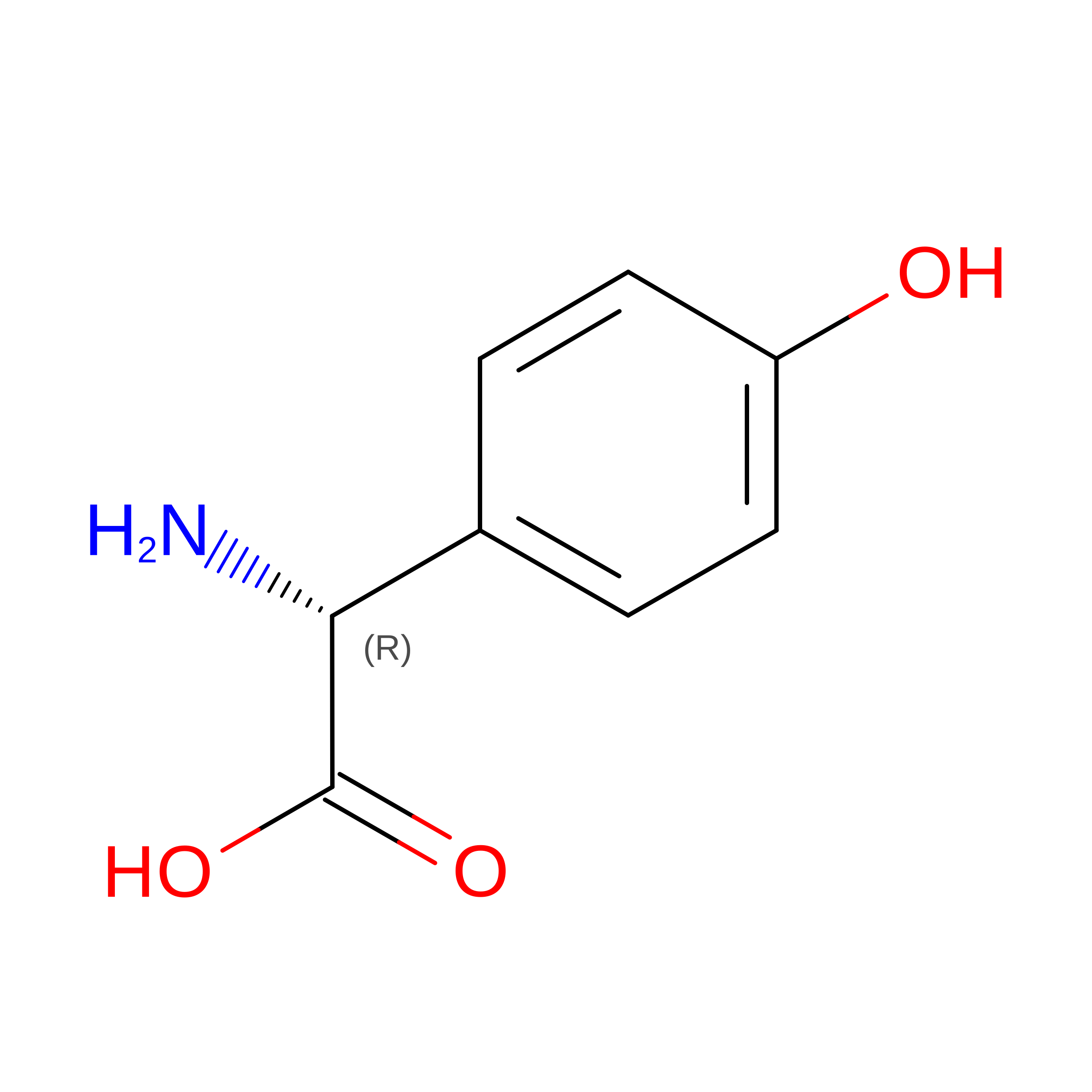
IDChains TypeFormula2D DiagramParent
CCS
Query on CCS
A
L-PEPTIDE LINKINGC5 H9 N O4 SCYS
DAL
Query on DAL
A
D-PEPTIDE LINKINGC3 H7 N O2

--

3FG
Query on 3FG
B [auth G]L-PEPTIDE LINKINGC8 H9 N O4

--

3MY
Query on 3MY
B [auth G]D-PEPTIDE LINKINGC9 H10 Cl N O3TYR
GHP
Query on GHP
B [auth G]D-PEPTIDE LINKINGC8 H9 N O3

--

OMX
Query on OMX
B [auth G]L-PEPTIDE LINKINGC9 H11 N O4TYR

Biologically Interesting Molecules (External Reference) 

1 Unique

Experimental Data & Validation

Experimental Data

  • Method: X-RAY DIFFRACTION
  • Resolution: 2.05 Å
  • R-Value Free:  0.231 (Depositor), 0.225 (DCC) 
  • R-Value Work:  0.188 (Depositor), 0.186 (DCC) 
  • R-Value Observed: 0.190 (Depositor) 
Space Group: C 2 2 21
Unit Cell:
Length ( Å )Angle ( ˚ )
a = 40.32α = 90
b = 123.61β = 90
c = 156.74γ = 90
Software Package:
Software NamePurpose
XSCALEdata scaling
MOLREPphasing
PHENIXrefinement
PDB_EXTRACTdata extraction
XDSdata reduction

Structure Validation

View Full Validation Report


Ligand Structure Quality Assessment 


Entry History 

Deposition Data

Revision History  (Full details and data files)

  • Version 1.0: 2013-01-09
    Type: Initial release
  • Version 1.1: 2013-03-06
    Changes: Structure summary
  • Version 1.2: 2013-03-13
    Changes: Structure summary
  • Version 1.3: 2013-03-27
    Changes: Derived calculations
  • Version 1.4: 2013-04-03
    Changes: Derived calculations
  • Version 1.5: 2013-06-19
    Changes: Database references
  • Version 1.6: 2014-12-10
    Changes: Structure summary
  • Version 2.0: 2020-07-29
    Type: Remediation
    Reason: Carbohydrate remediation
    Changes: Data collection, Database references, Derived calculations, Polymer sequence, Structure summary
  • Version 2.1: 2025-03-26
    Changes: Data collection, Database references, Derived calculations, Structure summary