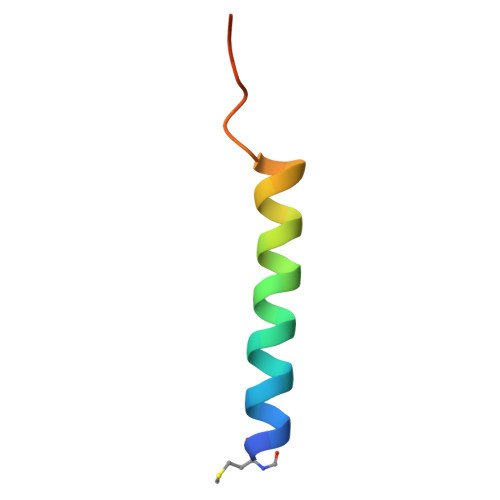
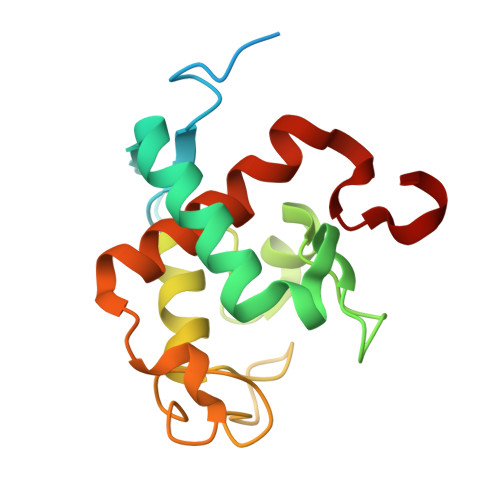
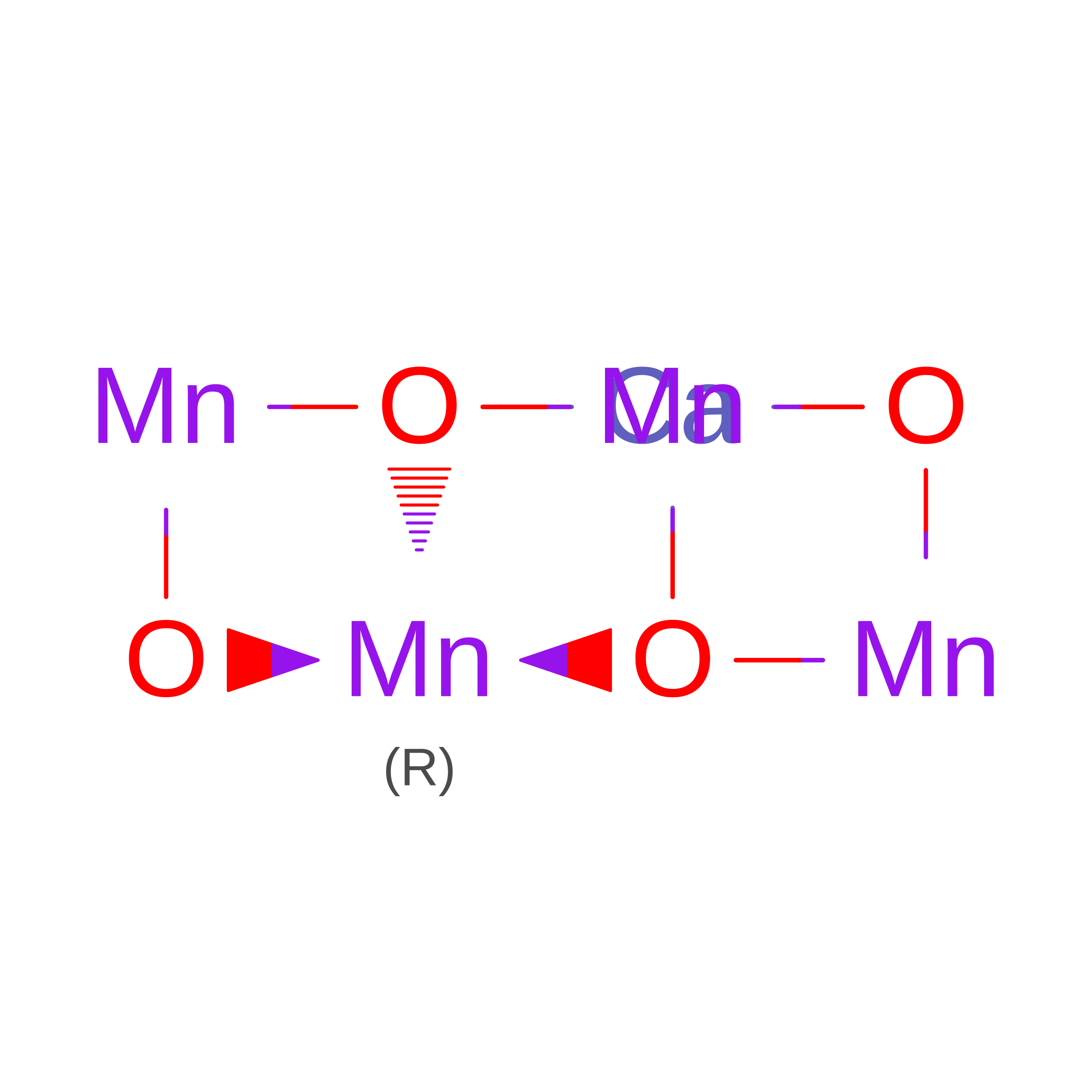
Photosystem II (PSII) catalyzes water oxidation into electrons, protons and dioxygen at its catalytic center, a Mn 4 CaO 5 cluster, utilizing light energy. An amino acid residue D1-V185 in the D1 protein is located close to the Mn 4 CaO 5 cluster, and plays a critical role in its catalytic function. In this research we purified PSII dimers from a D1-V185T mutant of Thermosynechococcus vestitus and analyzed its structure using low-damage cryo-electron microscopy (cryo-EM) at a resolution of 1.88 Å. The results revealed the presence of multi-conformations at the mutation site. Unlike the wild-type valine, which does not allow water molecules to be able to form hydrogen-bonds with it, both conformations of the mutant formed hydrogen bonds with nearby water molecules, which leads to rearrangement of the hydrogen bond networks in the O1 and Cl-1 channels. In conformation-A, the mutated Thr residue forms a hydrogen bond with a water molecule W6, which creates a new channel that bypasses the original O1 channel. Due to the hydrophilic OH group of Thr, the side-chain of D1-Glu189 was attracted and shifted toward the mutant Thr residue. In conformation-B, it forms a hydrogen bond with a water molecule W9 in the Cl-1 channel, bringing W9 closer and thereby disrupting the hydrogen bond network of the Cl-1 channel. In addition, multi-conformations of D2-K317, which is a ligand of Cl-1, were found in the mutant. These changes alter the environment surrounding the Cl-1 ion and Mn 4 CaO 5 , thereby affecting the PSII water-oxidation activity.
Organizational Affiliation:
Research Institute for Interdisciplinary Science, Advanced Research Field and Graduate School of Environmental, Life, Natural Science and Technology, Okayama University, Okayama, 700-8530, Japan.
Center for Transformative Science, School of Life Science and Technology and Shanghai Clinical Research and Trial Center, ShanghaiTech University, Shanghai, 201210, China.
Proteo-Science Research Center, Ehime University, Bunkyo-cho, Matsuyama, Ehime, 790-8577, Japan.
Research Institute for Interdisciplinary Science, Advanced Research Field and Graduate School of Environmental, Life, Natural Science and Technology, Okayama University, Okayama, 700-8530, Japan. Electronic address: shen@okayama-u.ac.jp.








 Download Mendeley