Download Mendeley
Molecular mechanism of calcium permeability and magnesium block in NMDA receptors.
Steigerwald, R., Epstein, M., Chou, T.H., Simorowski, N., Furukawa, H.(2026) Nat Neurosci
- PubMed: 42086762 Search on PubMedSearch on PubMed Central
- DOI: https://doi.org/10.1038/s41593-026-02283-3
- Primary Citation Related Structures:
9OBS, 9OBT, 9OBU, 9OBV, 9OBW, 9OBX, 9OBY, 9OBZ, 9OC0, 9OC1, 9OC2 - PubMed Abstract:
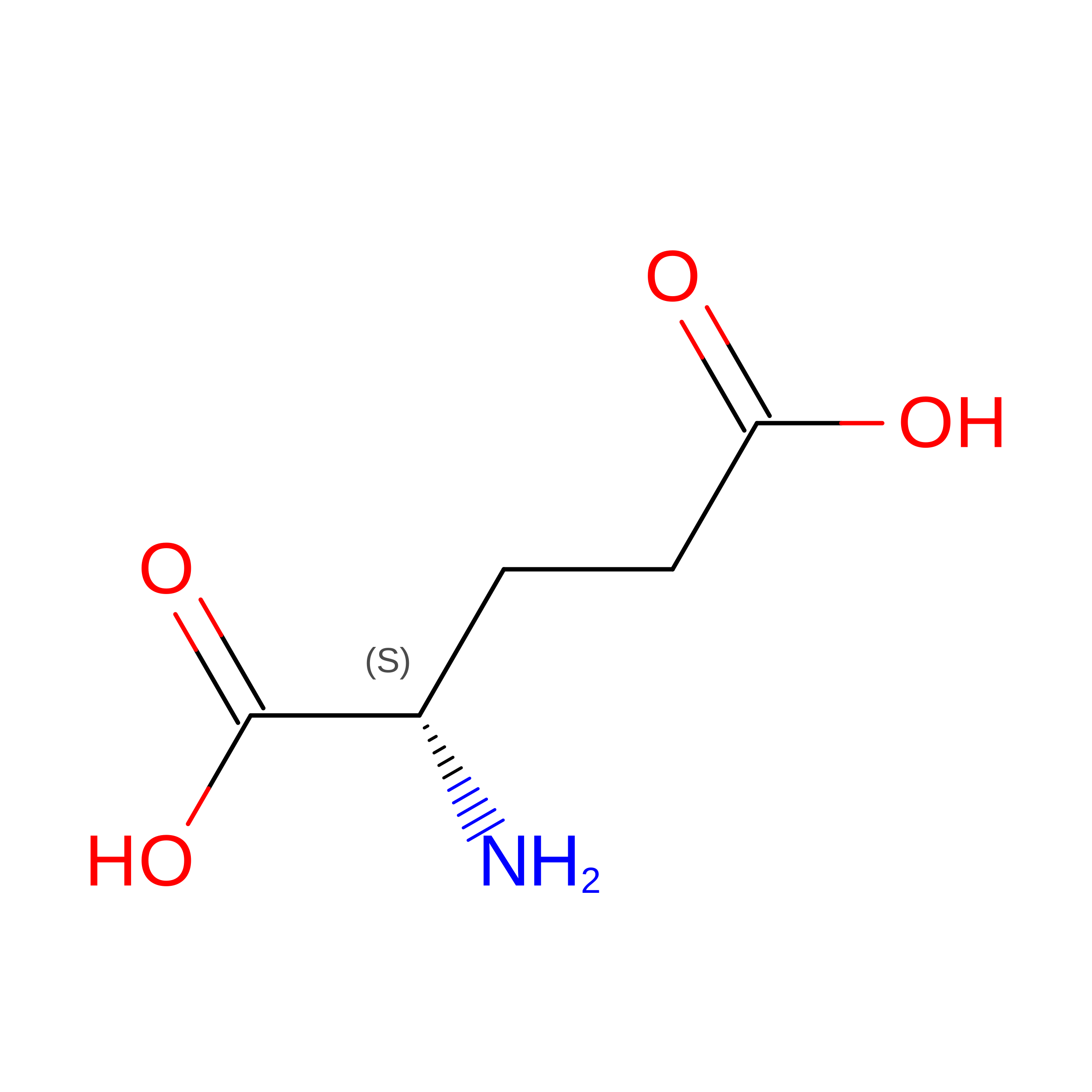
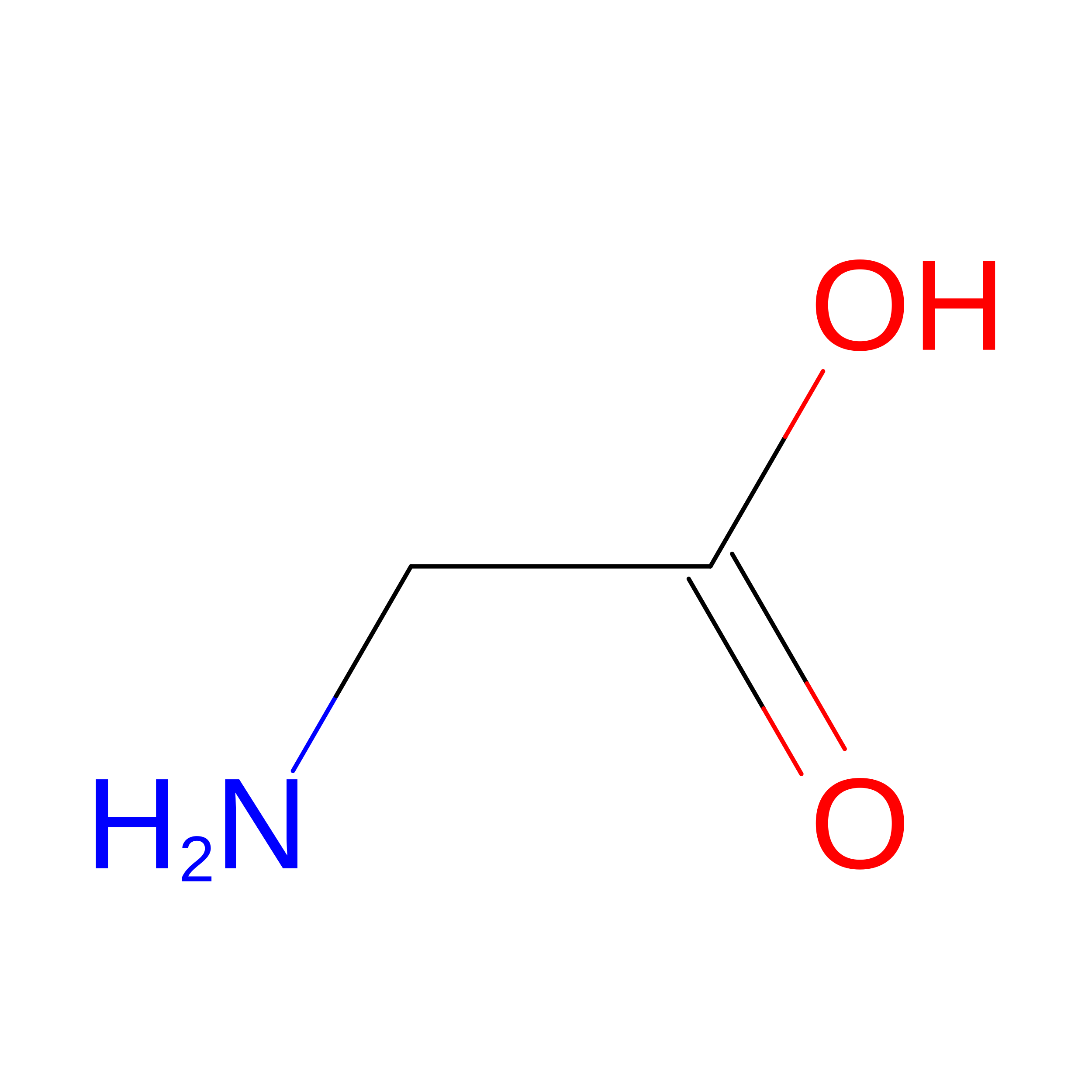
Hebbian neuroplasticity, which is thought to be a cellular substrate of learning and memory, can occur by means of coincidental detection of presynaptic neurotransmitter release and Ca 2+ influx upon postsynaptic depolarization. This is mediated at a molecular level by N-methyl-D-aspartate-type glutamate receptors, which bind glutamate and glycine and facilitate Ca 2+ influx upon relief of Mg 2+ channel block during membrane depolarization. However, the structural mechanism underlying Ca 2+ permeability and Mg 2+ blockade in N-methyl-D-aspartate-type glutamate receptors has yet to be fully elucidated. Here we demonstrate using single-particle cryo-electron microscopy that Ca 2+ permeation through the narrow constriction of the cation selectivity filter involves partial dehydration, as evidenced by several Ca 2+ binding sites. In contrast, Mg 2+ binds outside of the selectivity filter through a water network and remains hydrated, thereby acting as a channel blocker. Furthermore, the lipid network around the selectivity filter influences the stability of Mg 2+ binding in a voltage-dependent manner. Our study details the transmembrane chemistry essential for initiating neuroplasticity.
- W.M. Keck Structural Biology Laboratory, Cold Spring Harbor Laboratory, Cold Spring Harbor, NY, USA.
Organizational Affiliation: